
Why Clique Games Pivoted to Studio & Horizon Worlds
Recently, Meta CTO Andrew Bosworth made headlines with a statement that sent shockwaves through the VR community: "VR is growing less quickly than we hoped." The announcement came alongside studio closures, layoffs, and a strategic pivot toward mobile-first experiences on Horizon Worlds, leaving many developers wondering what's next for the industry.
This didn’t shock us. We've been in this industry long enough to see the patterns. We started in location-based entertainment when VR was exploding in arcades but inaccessible to most people at home. We pivoted to working with indie developers when home headsets became viable, helping them navigate publishing and find their audiences. We've always had to stay ahead of where the industry is moving. Not because we're fortune tellers, but because adaptation is survival.
When Meta started signaling their mobile first Horizon Worlds push, we paid attention. And when we looked at our own trajectory, we realized something. We had spent years helping other developers launch their visions. It was time to build something for ourselves.
That's why we made the pivot to studio development and Horizon Worlds this past fall. Not because we predicted Meta's exact strategy shift, but because we recognized the opportunity and moved while we still had the flexibility to do it right.
Reading the Room
For years, Clique Games has been in the trenches as a VR publisher, launching and supporting titles like Dragon Fist: VR Kung Fu, Frenzy VR, Monkey Doo, and Scared by Squares. We've watched the market evolve, celebrated wins, and navigated the challenges that come with an emerging medium. Through it all, we've had a front-row seat to one unavoidable truth: traditional VR game publishing, while rewarding, has been evolving in ways we needed to pay attention to.
Look at the latest breakout successes: games like Yeeps, UG, and Animal Company didn't just succeed. They dominated, and did it without traditional publishers. But here's the thing: these developers weren't just lucky. They were doing exactly what the best publishers do. They knew the industry inside and out. They found their audience. They tested relentlessly to understand what resonated. They refined based on data. They targeted with precision.
Their secret weapons? Strategic playtesting and early access. These teams ran extensive playtest campaigns that organically built communities and hype before launch. They learned from mistakes made on their earlier titles, understood player psychology, and baked smart game design directly into their DNA. But critically, they didn't just ship the final product and hope for the best. They took the time to test with real users and make adjustments before their official launch. While many studios treat launch as the finish line, these developers understood that launch is really just the starting point.
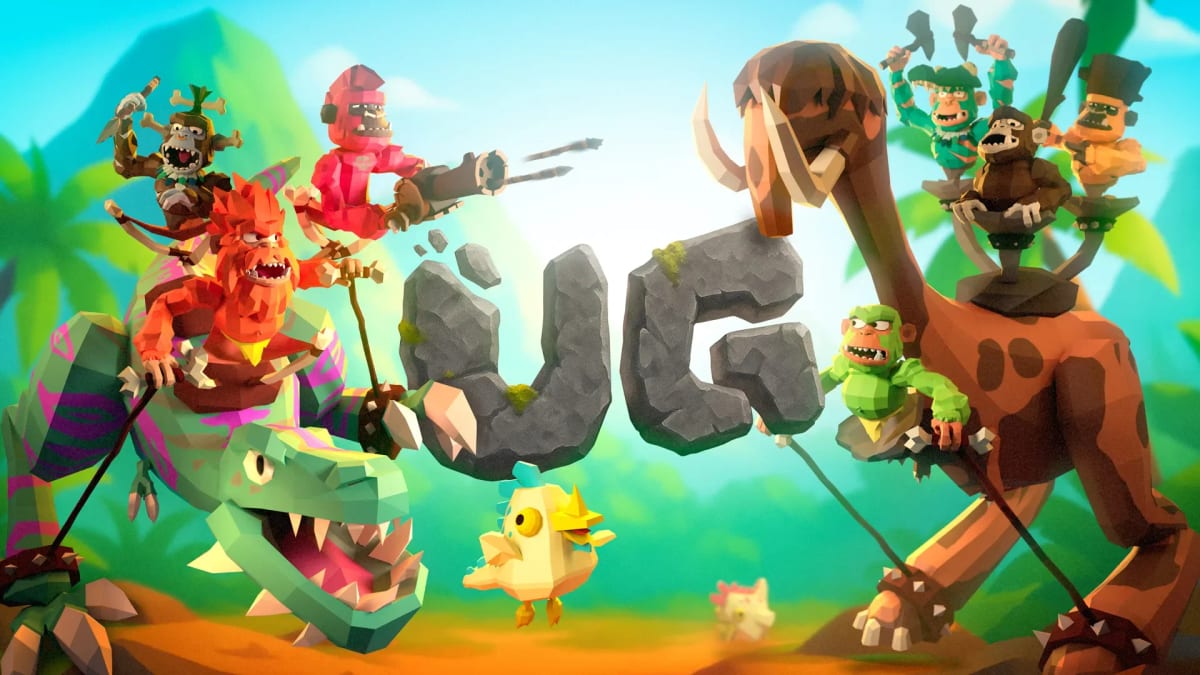
UG's success came from extensive playtesting and community building before launch, not from a big marketing budget.
By leveraging early access and playtests, they could implement changes, gather data, and optimize their games for the critical period following launch, when player retention and word-of-mouth can make or break a title. They used mechanics that maximized playtime, drove user retention, and created compelling reasons for in-game spending. What set them apart was having full stack teams that could handle both production and marketing at a high level. They had the complete package that good studios have always aspired to build.
Meta's recent comments confirm what we've been feeling on the ground. Headset adoption hasn't had the susained growth the way many hoped. Premium VR games, no matter how polished, face an uphill battle for discoverability and sustainable revenue. The audience is passionate but limited, and while hardware continues to improve, the growth curve has been slower than anyone in the industry wanted to admit.
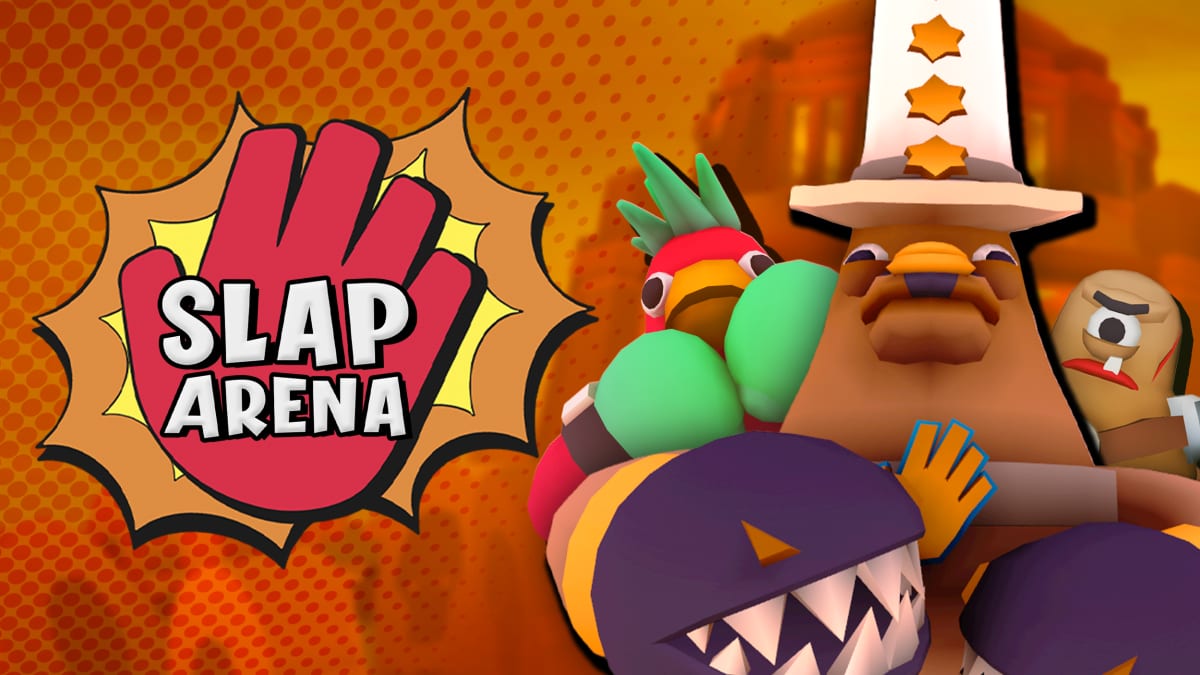
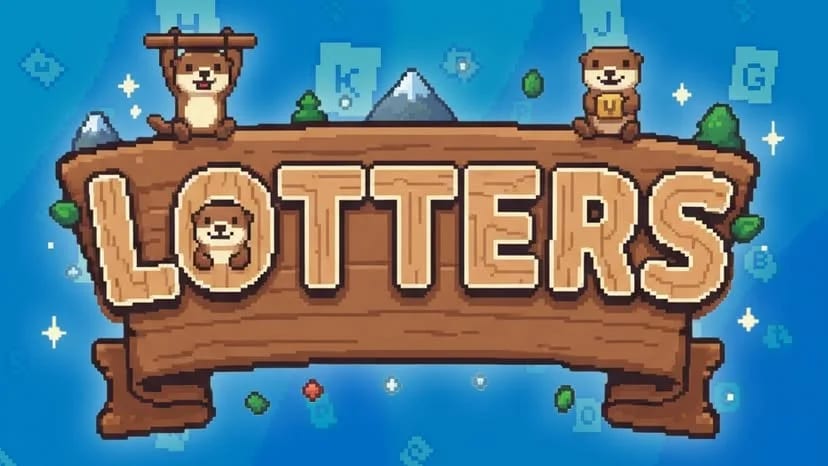
That reality informed our decision in fall 2025 to expand into in-house development with a sharp focus on Meta Horizon Worlds. With Slap Arena and Lotters, we made the jump. Not because we had all the answers, but because we knew if we wanted to keep building, we needed to do it for ourselves this time.
Why Horizon Worlds? Why Now?
Bosworth's comments crystallize what we've been banking on: mobile is the unlock.
Horizon Worlds on mobile phones represents something the VR industry has been chasing for years. True mass market reach. Smartphones are in billions of pockets worldwide. People don't need to buy a $400 headset or clear space in their living room to jump into a Horizon experience. They just tap an app. That's why we made Horizon Worlds our primary development focus.
Slap Arena, our chaotic multiplayer collectible game, and Lotters, our word puzzle passion project, were both designed with this shift in mind. They're experiences built to shine on mobile first platforms. But we're not abandoning VR. We're expanding our reach and betting on platforms that let us connect with the largest possible audience.
And here's the thing: building on Horizon Worlds isn't just about chasing player counts. It's about speed, iteration, and agility. We can push updates faster, test ideas in real-time, and respond to player feedback with a velocity that traditional VR game development simply can't match. That's a massive competitive advantage when you're trying to build replayable, community-driven experiences.
What This Means for the Industry
Meta's strategy shift might feel like a gut punch to some developers, but we see it differently. Meta isn't abandoning VR, they're trying to expand XR.
Bosworth was clear: Meta is still investing heavily in VR, but they're right-sizing that investment to match reality. That's not a retreat; that's smart business. They're doubling down on what's working while letting the VR ecosystem evolve and survive on its own merits. Instead of trying to force-feed Horizon Worlds to headset users who may not want it, they're focusing resources where there's actual product-market fit.
For developers, this creates both challenges and opportunities. The days of banking on well-funded first-party studios carrying the industry are over. But that's not a bad thing. It means indie studios and agile publishers who can adapt quickly, build for both mobile and VR, understand rapid content delivery, and create replayable experiences will have the spotlight.
This is an industry shakeup, sure. But it's also a clarifying moment. The developers who survive and thrive will be the ones who meet players where they are, not where we wish they were.
Our Bet Is Already Paying Off
Here's what we know from our first few months as a studio: Slap Arena and Lotters were proof of concept. They were us planting our flag in a new ecosystem, learning the builder, and showing we could create something from scratch on this platform.
And let's be honest: the world editor had its limitations. There were frustrations. Things that should've been simple, weren't. We had to get scrappy, find workarounds, and push the tools further than they sometimes wanted to go. But that was the point. We needed to cut our teeth on it, to understand what was possible and what wasn't. And here's the good news: we got comfortable with the software faster than we expected. Also, the new Meta Horizon Studio is officially in beta testing and already looks and feels significantly improved, which tells us Meta is serious about supporting creators.
That effort paid off faster than we anticipated. Last November, Lotters won Judge's Pick in Meta's Horizon Mobile Genre Showdown—a global hackathon with a $2.5 million prize pool and hundreds of entries. For our first competitive development outing, that validation meant everything. It confirmed we weren't just learning the tools; we were mastering them.
The potential mobile audience is massive. Everyone in the world has a smartphone in their pocket. That's the opportunity. But the reality? We're all figuring out user acquisition together. Our immediate focus is twofold: How do we get players into our worlds in the first place, and how do we design experiences that make them want to keep coming back? It's a puzzle we're solving alongside Meta and the broader Horizon Worlds ecosystem. New platform, new challenges, new opportunities. It's honestly a blast.
By making the studio pivot when we did, we positioned ourselves at the intersection of what's next. Original studio creations are the cornerstone of our long term strategy, a strategy that seems mirrored by many others in the industry. And we're doing it with the expertise we've built over years of helping developers launch, market, and scale VR titles.
But let's be clear: "studio" for us doesn't just mean pumping out Horizon World after Horizon World. It means taking full ownership of what we build, promote, and sell. It also means we're not just game developers, and are already working on tools for Horizon Worlds creators. We're building infrastructure that helps push the ecosystem forward, resources that make other developers' lives easier, and solutions that promote progress across the platform. If we learned anything from our publishing days, it's that when the ecosystem thrives, everyone wins. We're invested in making sure that it thrives.
The Future Belongs to the Agile
Meta's strategy shift is a reminder that this industry is still finding its footing. VR is real, it's here to stay, and it's growing. Just not at the breakneck pace some predicted. Meanwhile, mobile first XR experiences are exploding. The winners in this space will be the teams that can see around corners, adapt quickly, and build for the audiences that actually exist. Not the ones we hoped would materialize.
At Clique Games, we made that bet in fall 2025. We saw the writing on the wall, and we acted. Now, as Meta publicly confirms the shift we've been preparing for, we're more confident than ever that we made the right call.
VR isn't dead. It's evolving. And we're building for what comes next.